
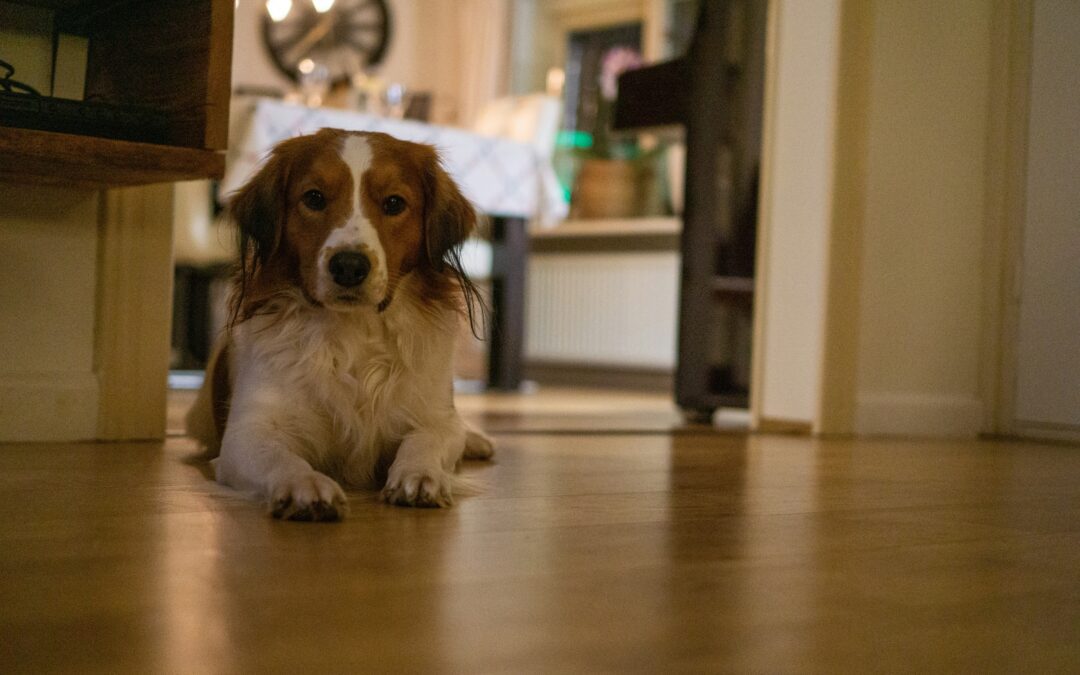
As daylight saving time ends on Sunday, November 1, 2026, pet owners in Adrian, Michigan, may notice changes in their dogs’ and cats’ daily routines. Although turning the clocks back one hour seems simple, pets often rely on consistent mealtimes, walks, bathroom breaks, medication schedules, and bedtime routines.
At Kelly Veterinary Clinic in Adrian, MI, we know that keeping pets healthy includes understanding their everyday needs. Whether you have a dog who expects an early morning walk or a cat who never misses breakfast, a few simple adjustments can help your pet transition comfortably to the new schedule.
How Does Daylight Saving Time Affect Dogs and Cats?
Dogs and cats do not understand the clock changing, but they recognize familiar routines and environmental cues. When your schedule shifts by an hour, your pet may notice that meals, walks, playtime, or family arrivals happen at different times.
Most pets adjust without difficulty. However, some may temporarily experience changes such as:
-
Waking up earlier or asking for breakfast before their usual mealtime.
-
Waiting by the door for a walk or bathroom break.
-
Becoming restless around their normal bedtime.
-
Barking, meowing, or seeking extra attention.
-
Having difficulty adjusting to changes in when family members leave or return home.
Pets that are especially attached to routines, anxious, very young, or older may need additional time to adjust. These behaviors are usually related to changes in familiar routines rather than the clock itself.
6 Ways to Help Your Pet Adjust to the Time Change
1. Gradually Adjust Your Pet’s Daily Routine
If your dog or cat is sensitive to schedule changes, begin adjusting their routine several days before November 1.
Move activities by approximately 10 to 15 minutes at a time, including:
-
Breakfast and dinner.
-
Morning and evening walks.
-
Bathroom breaks.
-
Playtime and exercise.
-
Bedtime and quiet time.
You can use the same gradual approach after the time change if your pet needs help adjusting. Keeping a predictable sequence of activities can make the transition easier.
2. Keep Feeding Times Consistent
Does your dog start asking for breakfast an hour earlier after the clocks change? Does your cat begin meowing before the usual feeding time?
This is a common response to a disrupted routine. Rather than immediately changing your pet’s feeding schedule by a full hour, gradually move mealtimes toward the new schedule.
Continue providing the appropriate daily amount of food unless your veterinarian recommends otherwise. Avoid giving extra food simply because your pet is asking for breakfast earlier.
3. Be Careful With Pet Medication Schedules
The end of daylight saving time is also a good opportunity to review your pet’s medication routine.
Some medications need to be given at specific intervals. This can be especially important for pets receiving insulin, seizure medications, or other time-sensitive prescriptions.
Do not change your pet’s medication dosage or timing without veterinary guidance. If you are unsure how to handle the one-hour time change, contact your veterinary team for advice based on your pet’s medication and individual medical needs.
Pet owners in Adrian and the surrounding Lenawee County area can contact Kelly Veterinary Clinic with questions about their pet’s care.
4. Make Evening Walks Safer
When daylight saving time ends, evening walks often take place in darker conditions. Whether you walk your dog around your Adrian neighborhood or in nearby communities, visibility and awareness are important.
Help keep your dog safe by following these precautions:
-
Use reflective or light-up collars, harnesses, and leashes.
-
Carry a flashlight or wear a headlamp.
-
Keep your dog leashed near roads, parking lots, and unfamiliar areas.
-
Make sure identification tags are readable.
-
Check that your pet’s microchip registration has current contact information.
-
Stay alert for wildlife and other hazards, especially around dusk.
Cats that spend time outdoors may also encounter changing conditions as daylight hours shift. Whenever possible, keep them away from busy roads and supervise outdoor time.
5. Maintain Familiar Cues at Home
Pets often feel more comfortable when familiar activities happen in a predictable order.
For example, you might continue following the same evening routine: dinner, a walk or playtime, quiet time, and then bed. Even if the exact timing changes slightly, the familiar sequence can help your pet settle in.
Keeping favorite toys, bedding, feeding locations, and resting areas consistent may also help reduce stress.
6. Pay Attention to Changes in Behavior
A little extra restlessness around the time change is not unusual. However, it is important to recognize when a change may be more than a disrupted routine.
Contact Kelly Veterinary Clinic if your pet experiences:
-
A significant or prolonged change in appetite.
-
Persistent pacing, hiding, vocalizing, or anxiety.
-
Repeated bathroom accidents.
-
Vomiting or diarrhea.
-
Unusual lethargy.
-
Confusion or disorientation.
-
Symptoms that persist or become worse.
Do not automatically assume that new physical or behavioral symptoms are caused by daylight saving time. These changes can have other medical causes that may require veterinary attention.
Frequently Asked Questions About Pets and Daylight Saving Time
Do dogs and cats know when the clocks change?
No. Dogs and cats do not understand daylight saving time as a clock-based change. However, they learn daily routines and respond to environmental cues, including daylight, mealtimes, and household activity.
How long does it take pets to adjust to the time change?
Many pets adjust quickly, while others may need several days to settle into a new routine. Gradually shifting mealtimes, walks, and bedtime can help make the transition smoother.
Should I feed my pet at the same time after the clocks turn back?
Maintaining a consistent feeding routine is helpful. If your pet begins asking for food earlier, gradually adjust the feeding time rather than making an abrupt one-hour change. Continue providing the appropriate daily amount of food.
Should I change my pet’s medication schedule when daylight saving time ends?
Not without veterinary guidance. The safest approach depends on the medication, how frequently it is given, and your pet’s medical needs. Contact your veterinary team before changing the timing of a prescription, especially for insulin or seizure medication.
When should I contact a veterinarian about changes in my pet’s behavior?
Contact your veterinarian if your pet develops persistent anxiety, appetite changes, repeated bathroom accidents, vomiting, diarrhea, unusual lethargy, confusion, or other concerning symptoms. Significant changes should not automatically be attributed to the time change.
Helping Adrian, MI, Pets Stay Healthy Through Seasonal Changes
The end of daylight saving time does not have to be stressful for your pet. Gradual schedule adjustments, consistent routines, safe evening walks, and careful attention to medication timing can help dogs and cats adapt to the November 1 time change.
Kelly Veterinary Clinic is here to help pet owners in Adrian, Michigan, keep their dogs and cats healthy throughout the year. If you have questions about your pet’s behavior, medication schedule, or overall health, our team can help you determine the next steps.
Contact Kelly Veterinary Clinic at 517-263-0236 to schedule a veterinary visit or discuss your pet’s health concerns.
Kelly Veterinary Clinic — Veterinary care for pets in Adrian, Michigan, and the surrounding community.